

Building & Pest Inspections in Gosnells
Gosnells presents one of the most varied inspection challenges in Perth's south-east corridor. The western half of the suburb sits on Guildford Formation reactive clay that has been pushing foundations around for over 50 years, while the eastern areas transition into Bassendean Sand with a completely different set of structural behaviours. The Canning River runs along the northern boundary, contributing moisture and termite habitat, and Ellis Brook Valley Reserve on the eastern edge provides one of the most active termite corridors in the region. For buyers, the risk profile changes dramatically depending on which part of Gosnells you are looking at.
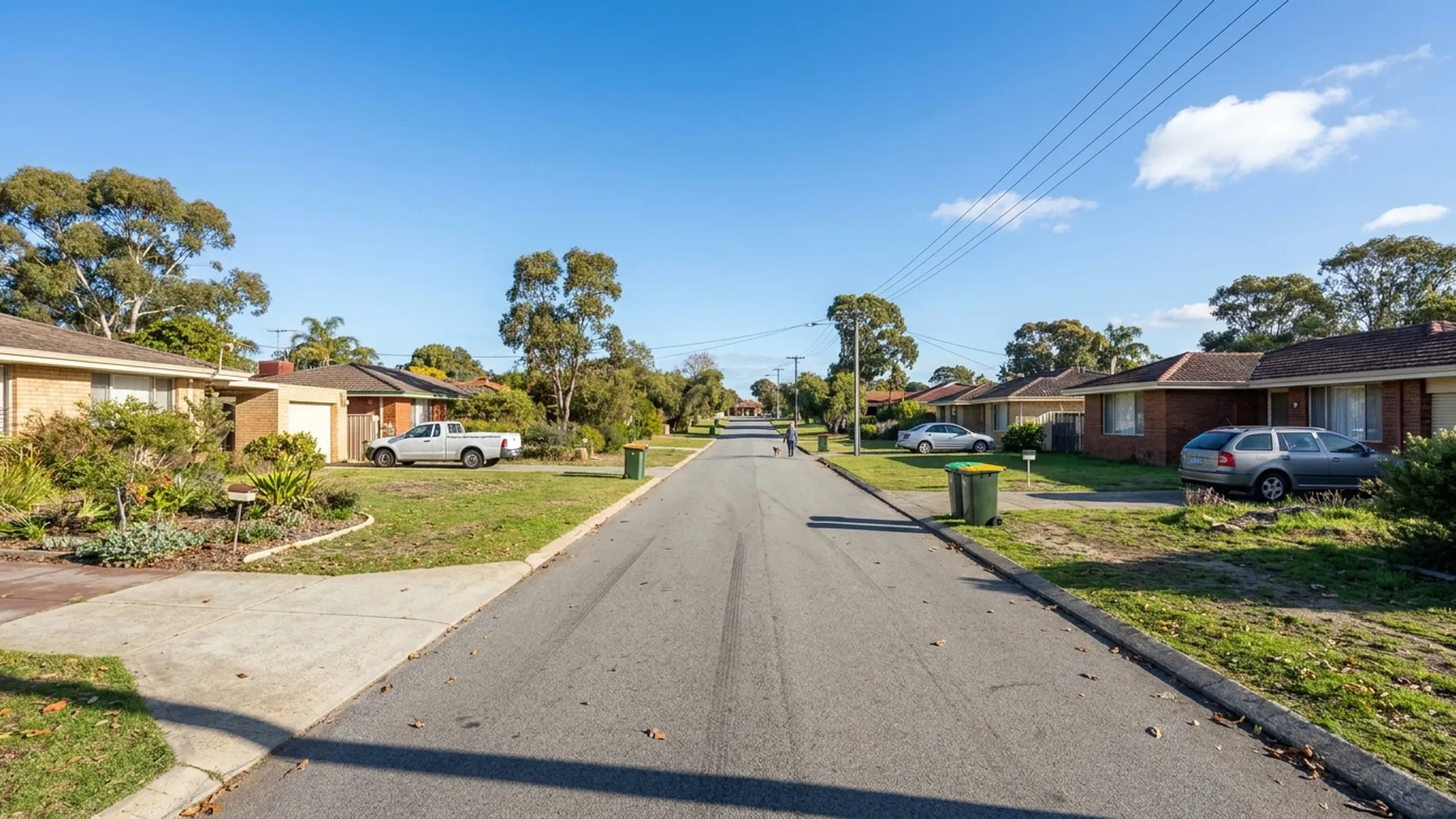
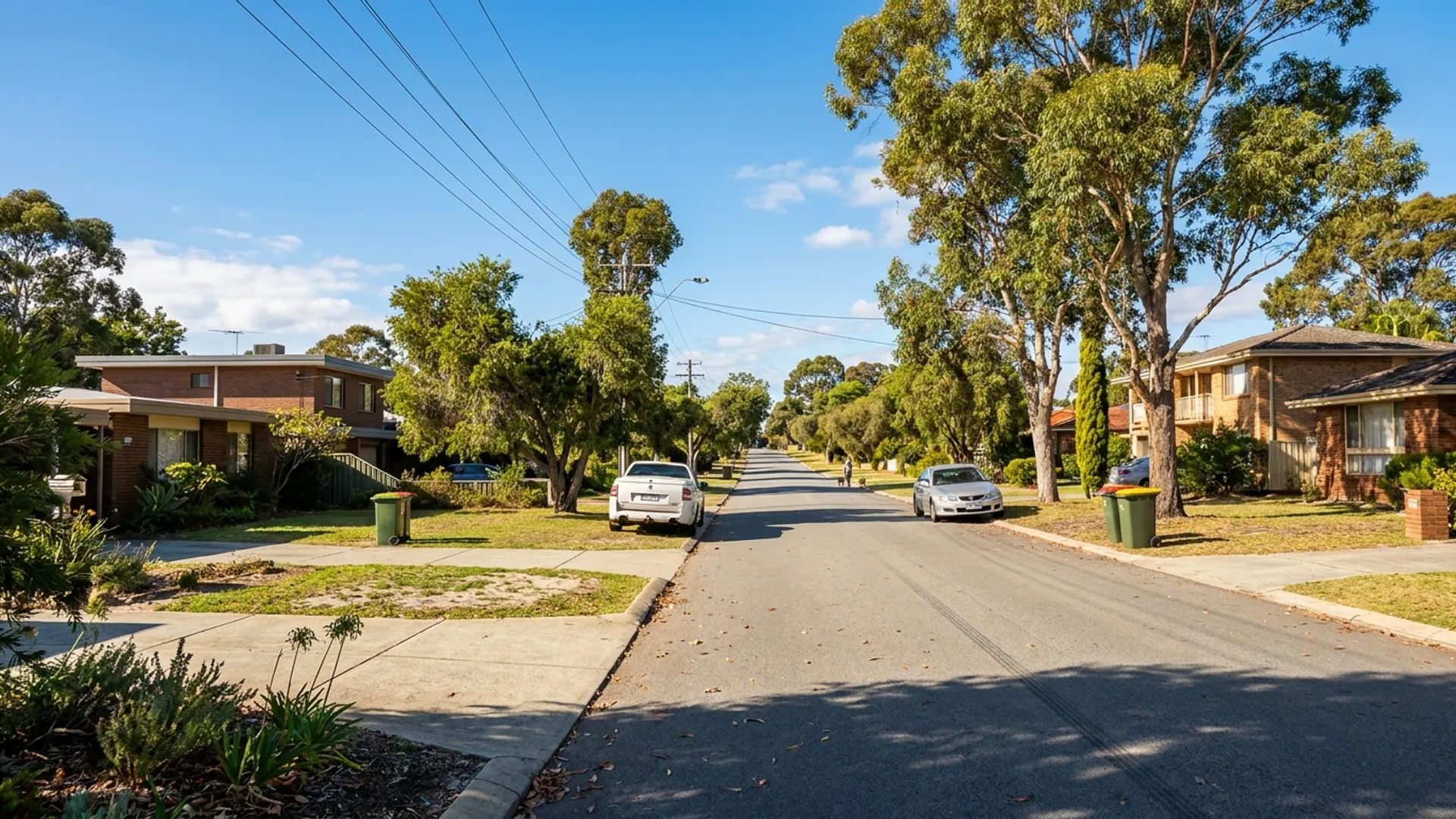
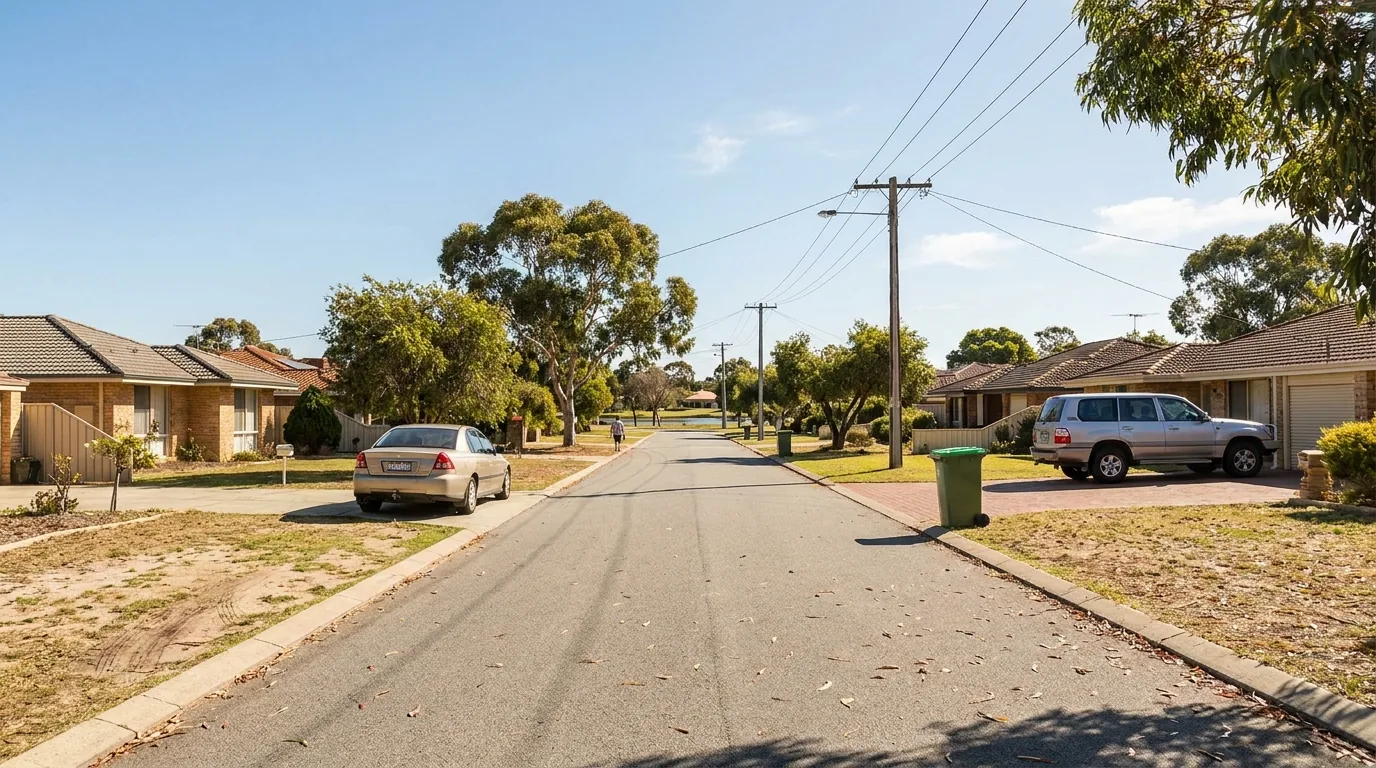
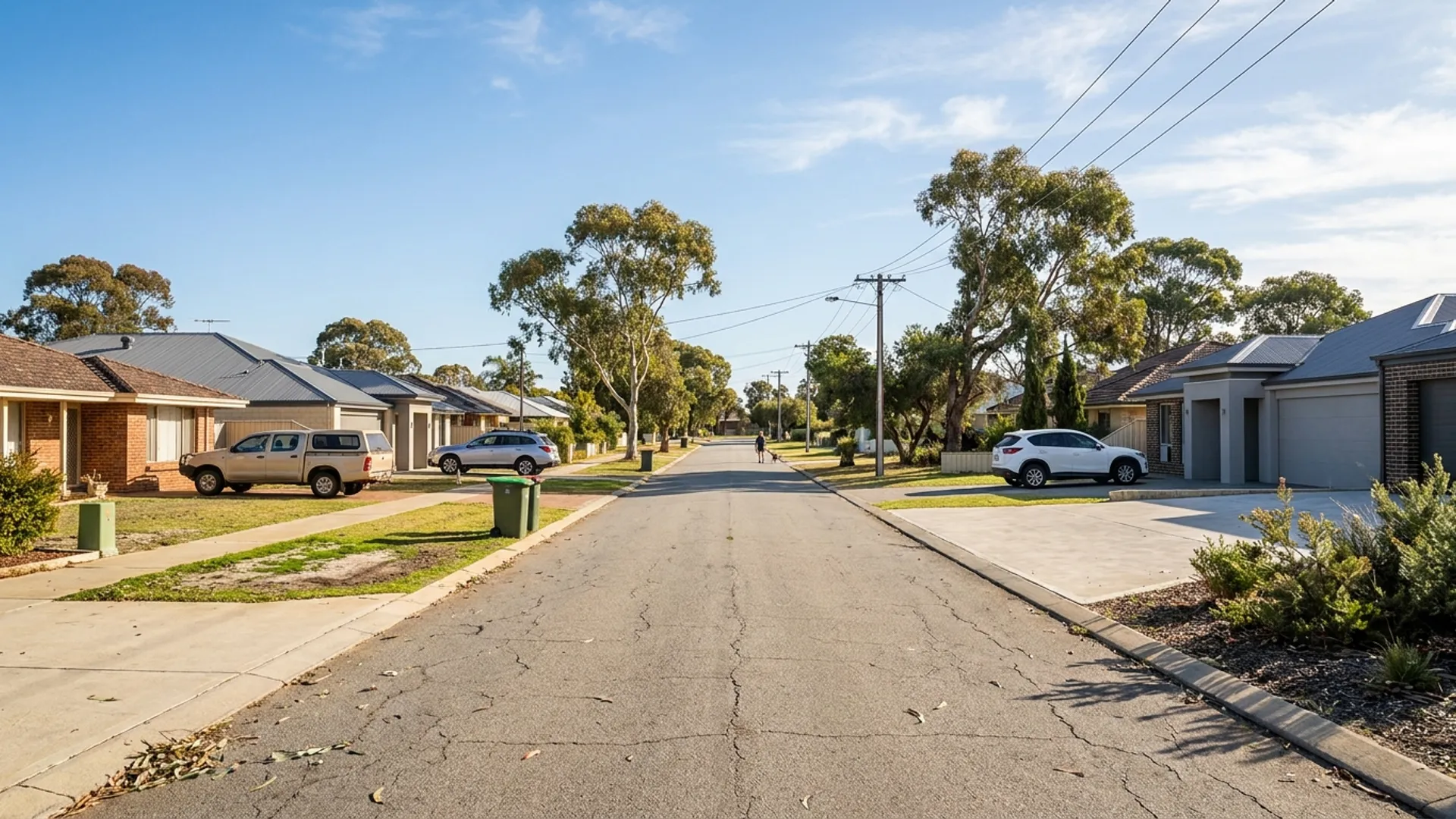
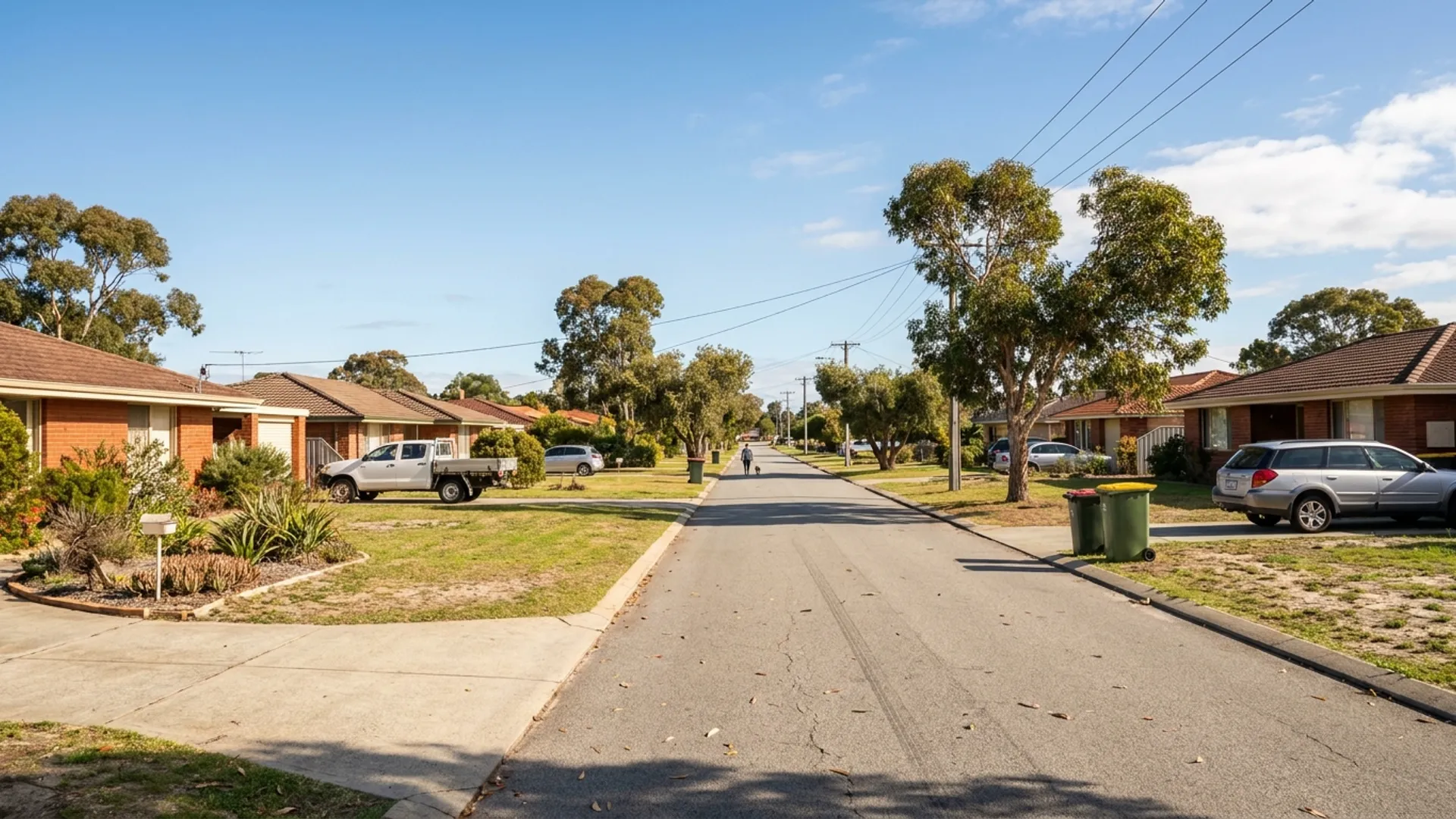
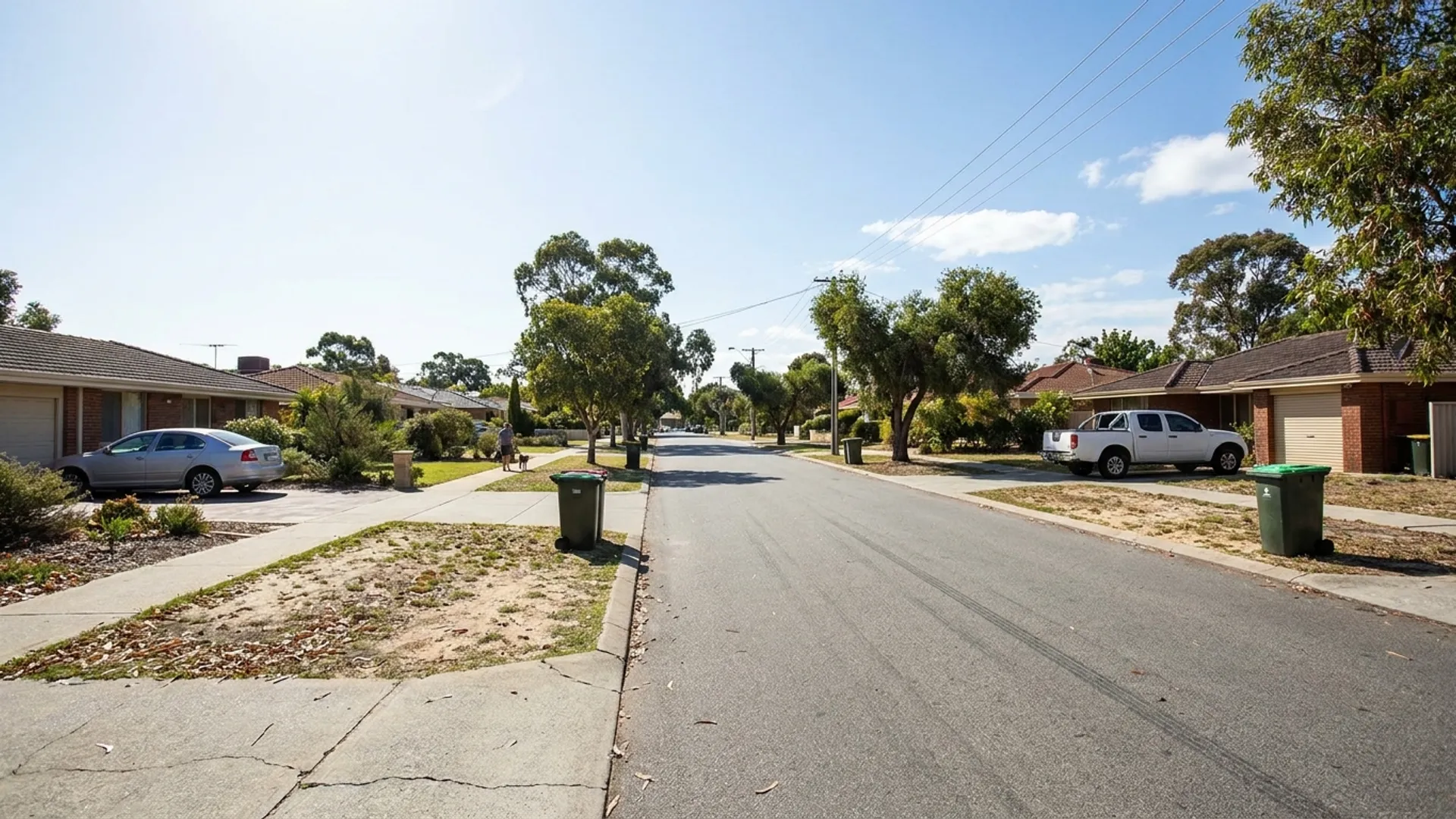
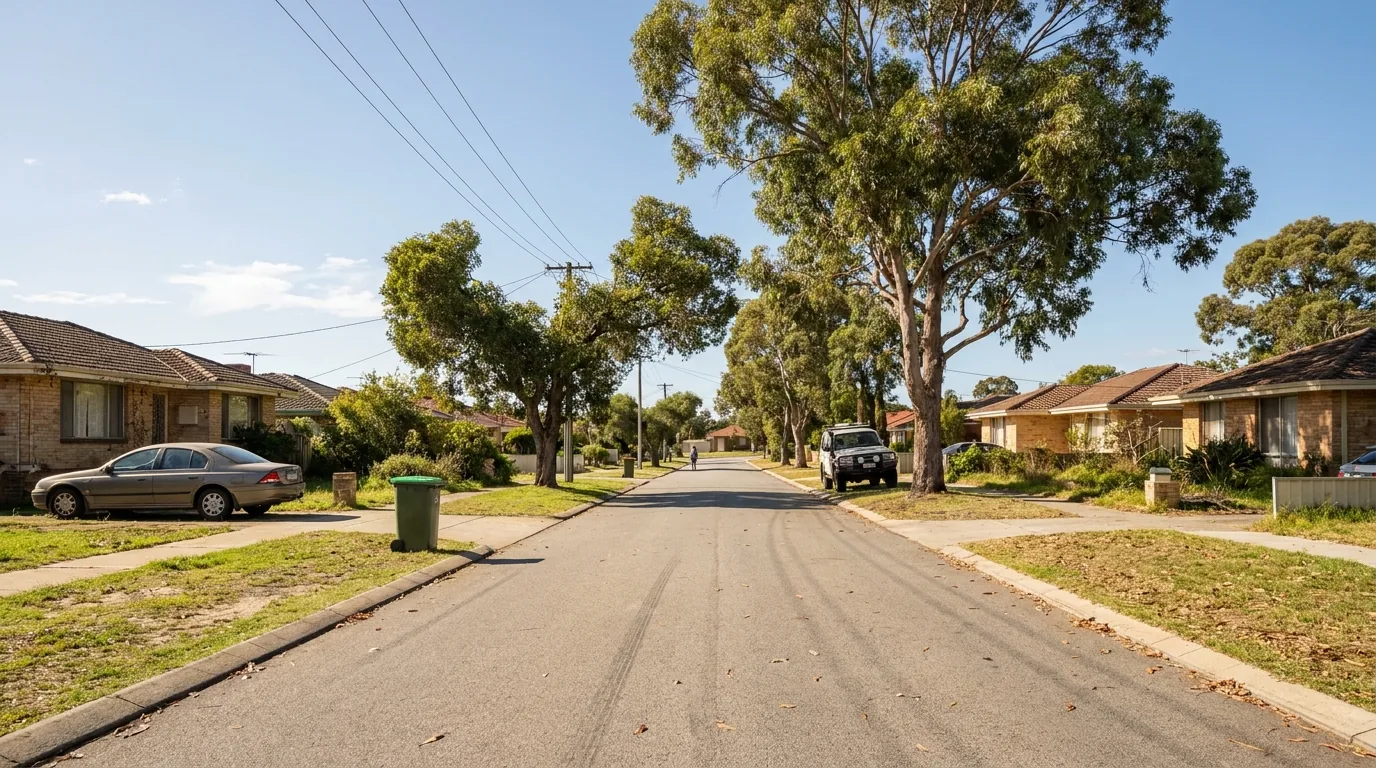
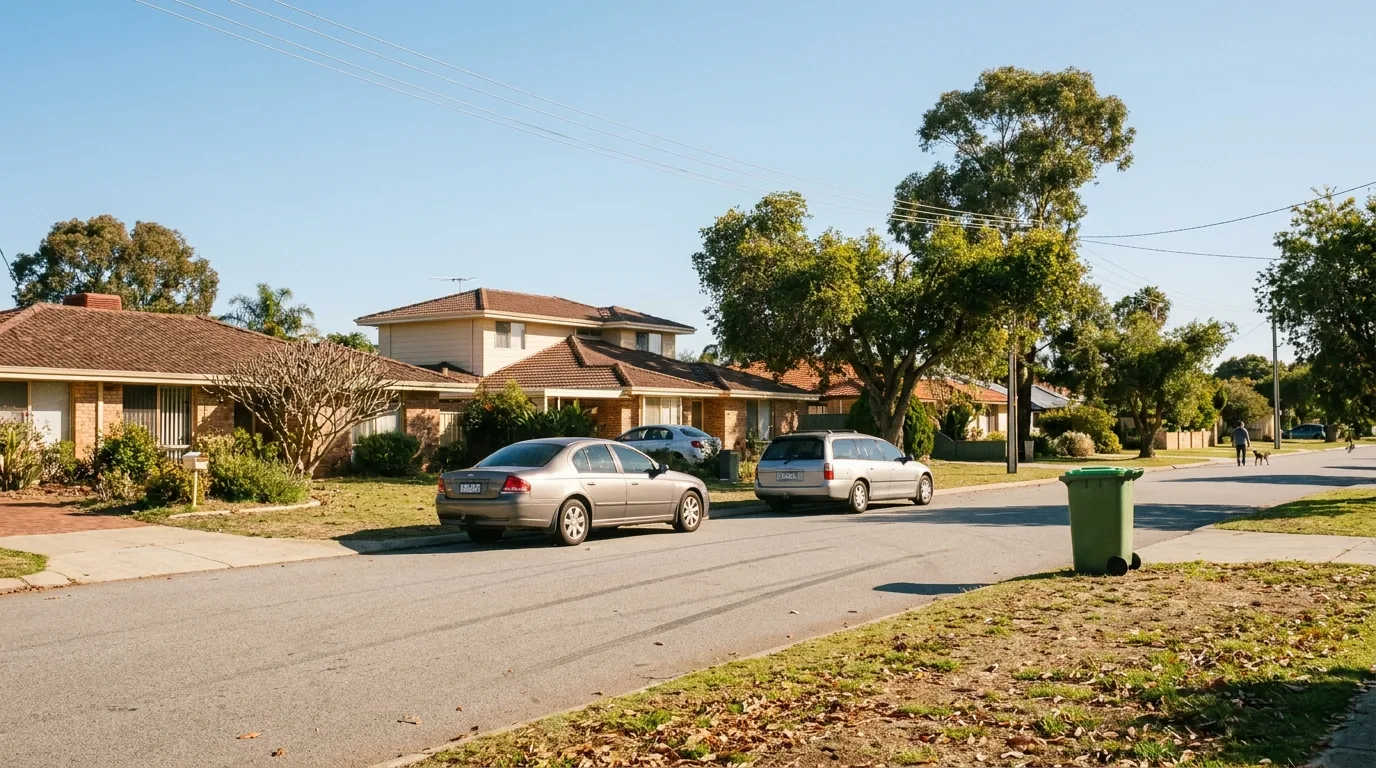
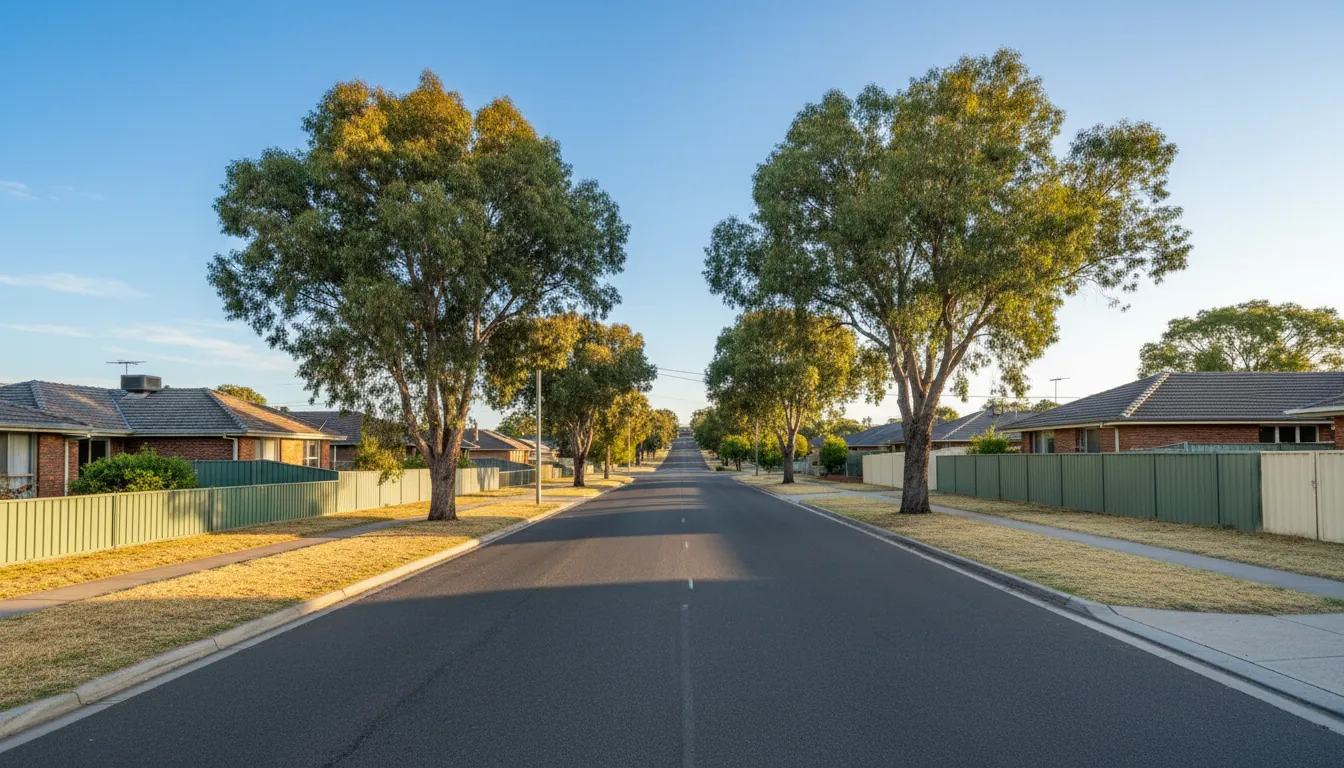
The housing stock is predominantly 1960s and 1970s brick-and-tile, with pockets of older 1950s fibro and weatherboard construction concentrated around the Gosnells townsite heritage area near the train station. Many of these homes have been through multiple ownership cycles and carry the accumulated issues of 50-60 years of maintenance. Both adequate and neglected. Gosnells also has a high rental proportion, which introduces its own set of risks: deferred maintenance, minimum-standard repairs, and modifications made to increase rental yield without proper engineering or council approval.
Asbestos prevalence in Gosnells runs between 40% and 55% in unrenovated homes. Super Six fencing remains common on boundary lines, eaves frequently contain asbestos sheeting, and older 1950s homes in the townsite pocket may have asbestos-containing wall cladding throughout. Buyers need to understand the remediation cost before committing to a purchase. Especially for homes that haven't been substantially renovated since original construction.
What We Look For in Gosnells Properties
Reactive Clay Foundation Movement (Western Gosnells)
Properties in western Gosnells. Roughly west of Corfield Street. Sit on Guildford Formation reactive clay that has been cycling through seasonal swell and shrink for decades. After 50+ years, this creates severe diagonal step-cracking in brickwork, doors and windows that bind in their frames, and uneven floors that slope toward the direction of greatest moisture loss. Many homes show evidence of previous crack repairs that have re-opened. Sometimes multiple times. Our inspectors use laser levelling to measure current slab variation and assess whether movement is historical or actively progressing. The distinction matters: stable historical movement is manageable, while active movement may require underpinning or other structural intervention that costs significantly more than the inspection itself.
Fretting Mortar & Wall Tie Corrosion
Gosnells homes from the 1960s and 1970s were built with lime-rich mortar that deteriorates over time. A process called fretting. Fretting mortar crumbles when you press it with a finger, reducing the structural bond between bricks. In cavity brick construction, this is compounded by wall tie corrosion. The original mild steel wall ties used in this era corrode after 30-40 years, expanding as they rust and cracking the mortar bed further. When you combine fretting mortar with corroded wall ties and reactive clay movement, you get walls that are structurally compromised on three fronts simultaneously. Our inspectors check mortar condition throughout the property and look for the horizontal cracking pattern that indicates wall tie failure. A pattern distinct from the diagonal cracking caused by clay movement.
Rental Property Deferred Maintenance
Gosnells has a high proportion of investment properties managed by rental agents, and these homes consistently show patterns of deferred maintenance that affect both structural integrity and habitability. Gutters and downpipes left unrepaired allow water to pool against foundations. Critical on reactive clay where moisture management is everything. Cracked or missing pointing on concrete roof tiles leads to roof space moisture and timber deterioration. Electrical switchboards remain at original 1960s specification without safety switches. Plumbing leaks beneath homes create ideal conditions for termite activity that goes undetected between tenancies. For buyers purchasing an investment property, these deferred maintenance items represent immediate capital expenditure on top of the purchase price.
Gosnells Townsite Heritage Pocket
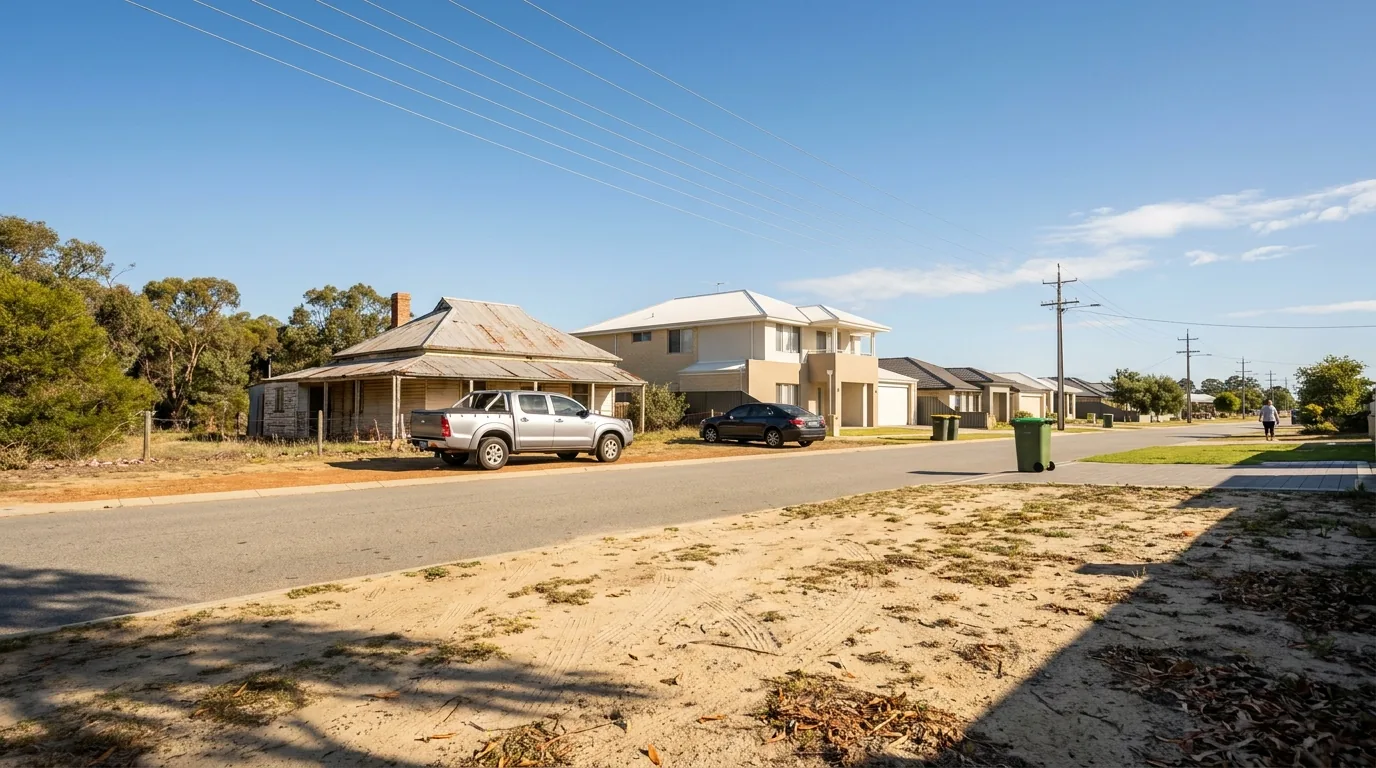
The heritage pocket around the Gosnells train station and along Albany Highway contains older 1950s construction that differs significantly from the standard 1960s-1970s brick-and-tile that dominates the rest of the suburb. These homes may include timber-framed walls with asbestos-cement cladding, stumped timber floors rather than concrete slabs, and older roofing systems including asbestos cement sheeting. The inspection approach for these homes is fundamentally different from newer stock. Subfloor access becomes critical, timber frame condition drives the structural assessment, and the asbestos exposure is typically more extensive and more expensive to remediate.
Precincts We Service
- Western Gosnells (Corfield Street west). Guildford Formation clay, reactive foundation movement, fretting mortar, wall tie corrosion on 1960s-1970s brick-and-tile
- Gosnells townsite / heritage pocket. 1950s fibro and weatherboard, higher asbestos prevalence, timber-framed construction requiring subfloor inspection
- Eastern Gosnells (Ellis Brook side). Bassendean Sand transition, extreme termite risk from Ellis Brook Valley Reserve, different foundation behaviour
- Canning River corridor (northern boundary). High water table, rising damp risk, moisture-driven termite pressure from river environment
Timber Pest Inspections in Gosnells
Gosnells faces termite pressure from two directions. Ellis Brook Valley Reserve on the eastern edge is one of the most established Coptotermes habitats in Perth's south-east corridor. Mature eucalyptus trees and undisturbed bushland provide year-round colony harbourage, and these colonies forage aggressively into adjacent residential properties through the sandy eastern soils. Along the northern boundary, the Canning River and its vegetated margins create a second corridor of permanently moist habitat that supports both Coptotermes and Heterotermes species. Properties located between these two corridors face compounding pressure from multiple directions.
The age of Gosnells housing stock intensifies the termite risk. Homes built in the 1960s and 1970s used pine framing and trusses that have now dried out over 50+ years, becoming significantly more palatable to subterranean termites. In rental properties where maintenance has been deferred, conditions conducive to termite entry. Garden beds against slab edges, unrepaired plumbing leaks, stored timber in subfloor spaces. Often go unaddressed for years between tenancies. A dedicated timber pest inspection is essential for any pre-purchase in Gosnells. Standalone timber pest inspections are $250, or $178 when combined with a building inspection. The combined approach is strongly recommended given the dual structural and pest risks across this suburb.
Pest Control in Gosnells
Gosnells' established gardens, mature street trees, and proximity to both Ellis Brook Valley Reserve and the Canning River create persistent pest pressure across the suburb. Spiders. Particularly black house spiders and redbacks. Are prolific in older brick homes where undisturbed wall cavities and subfloor spaces provide ideal web sites. Cockroaches thrive in the older plumbing systems common to 1960s-1970s homes, entering through deteriorated seals around drains and pipes. Rodents use the dense garden plantings and ageing roof tiles as entry points into roof voids, and rental properties with gaps in building maintenance see higher rodent activity than owner-occupied homes.
For homeowners and investors in Gosnells, our residential pest control covers general pest treatments for ants, spiders, cockroaches, and rodents, as well as targeted termite inspections and treatments for properties in higher-risk positions near the reserve or river corridors. Given the high rental proportion in Gosnells, we also see demand for end-of-lease pest treatments. Particularly flea treatments in properties where tenants have had pets. Pest control starts from $189.