

Building & Pest Inspections in Parkwood
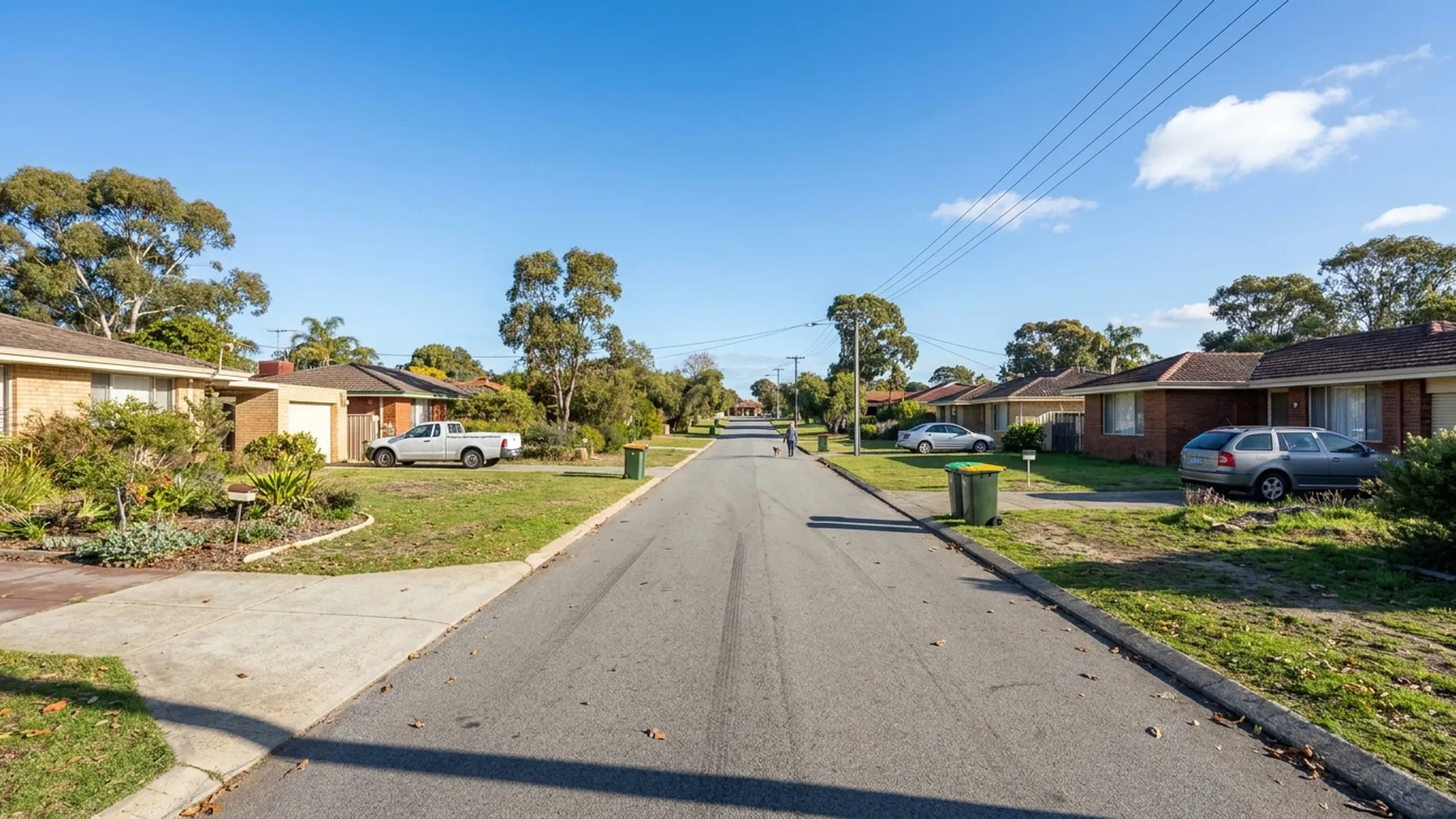
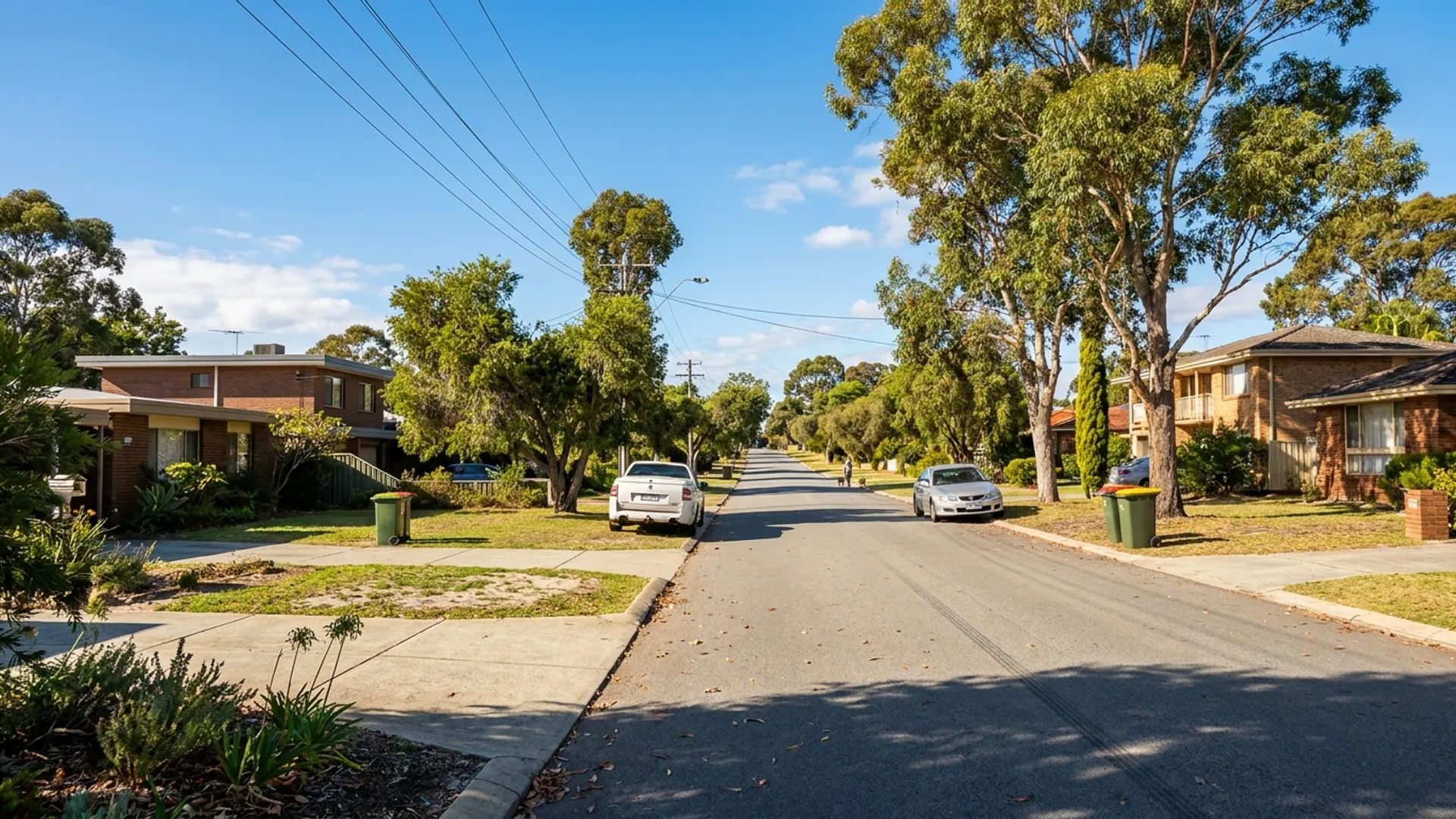
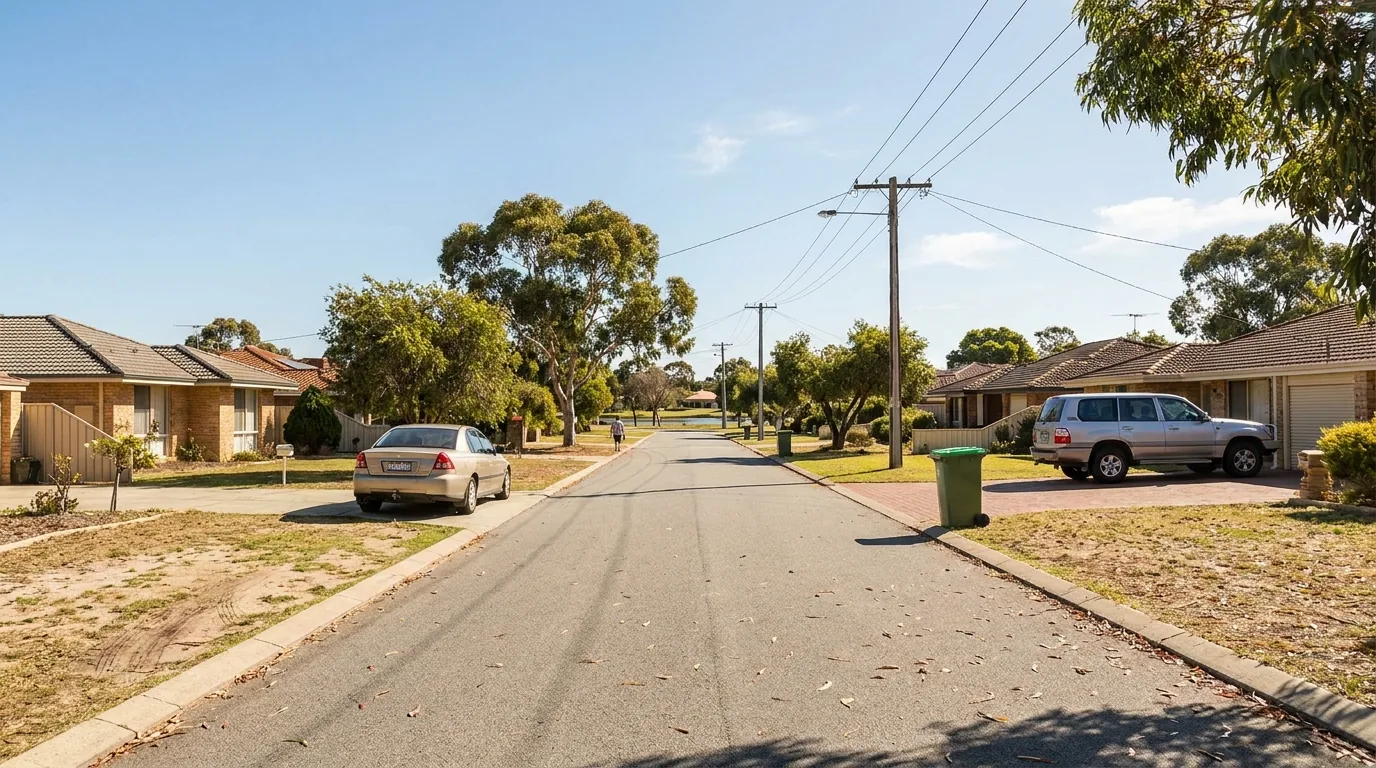
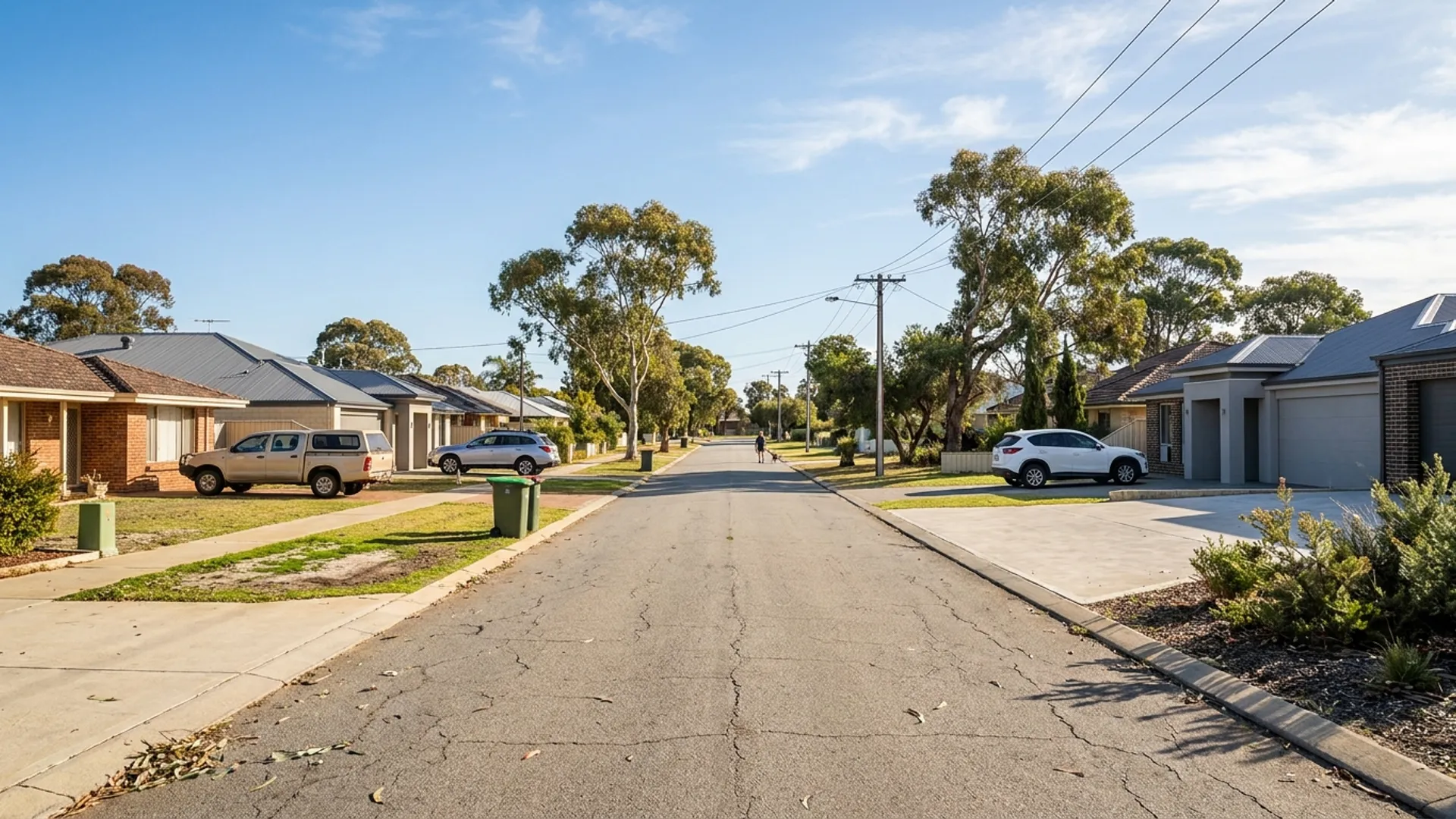
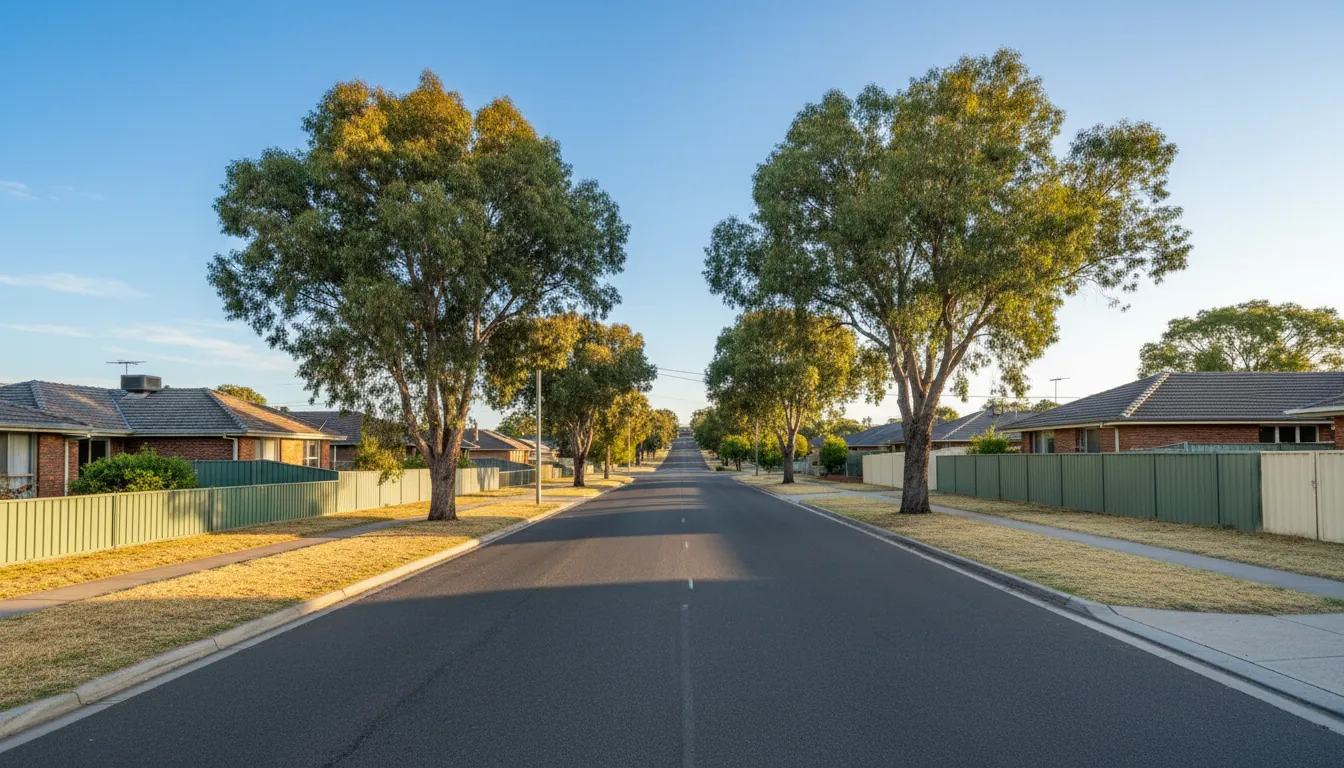
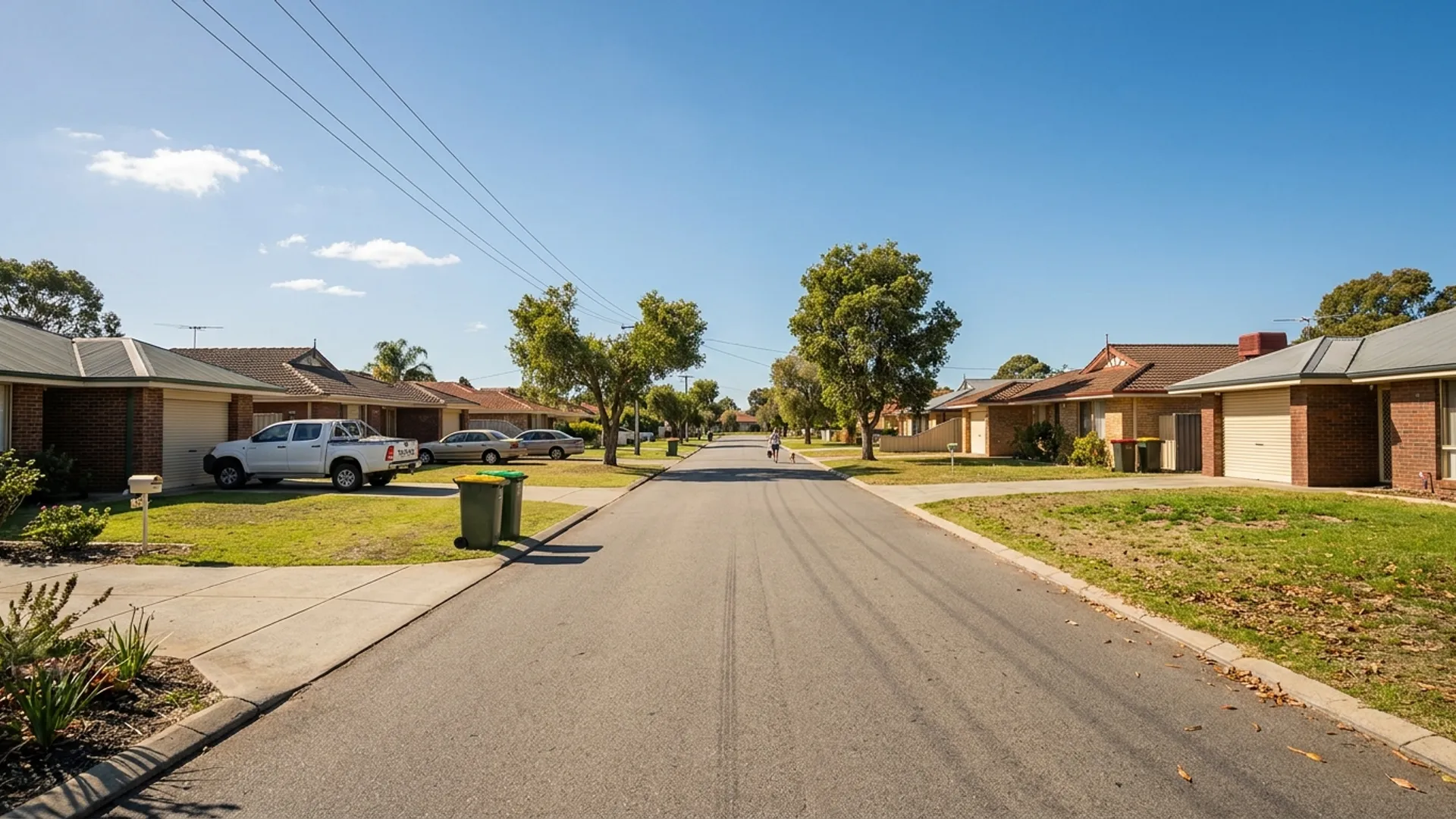
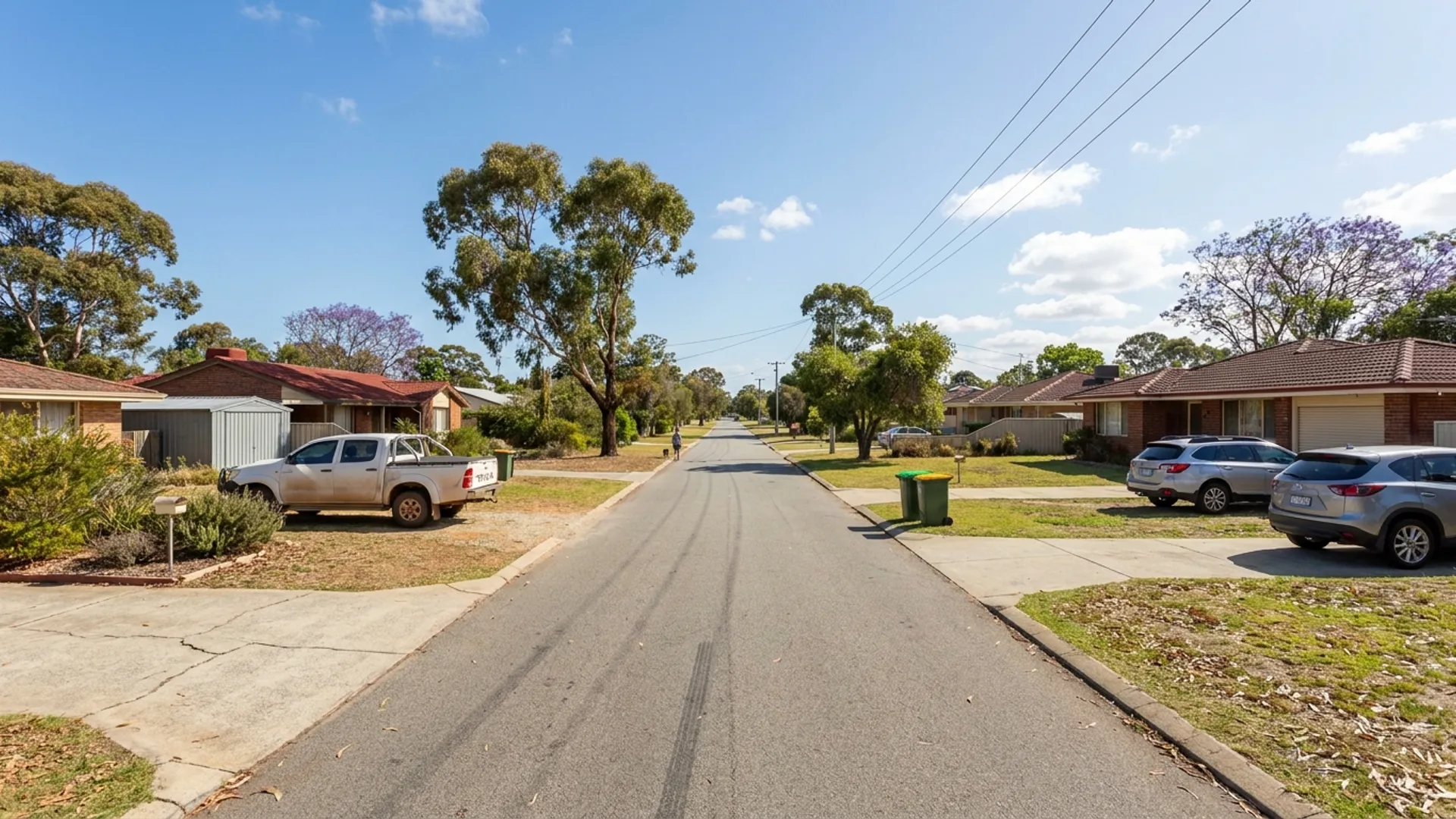
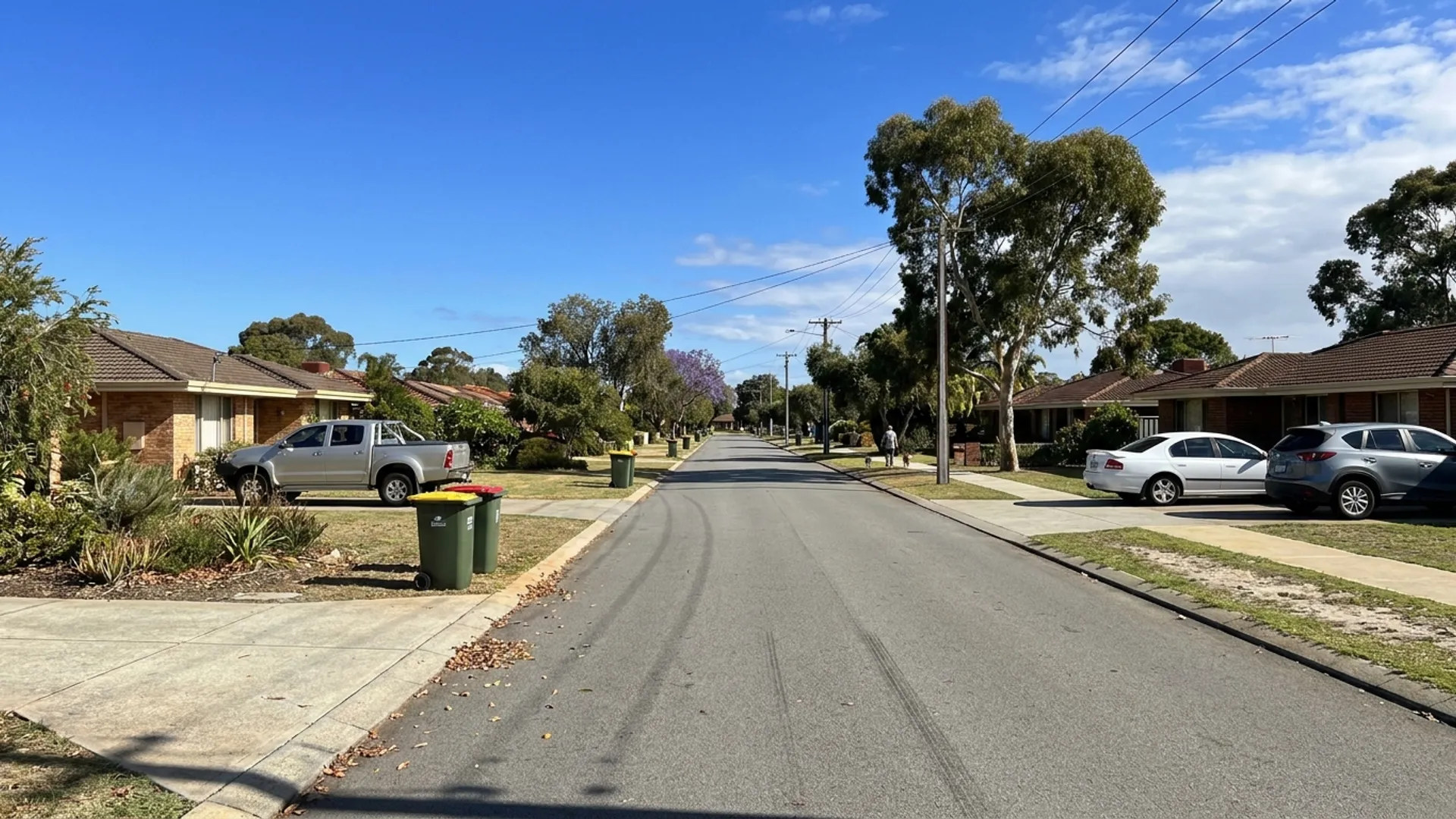
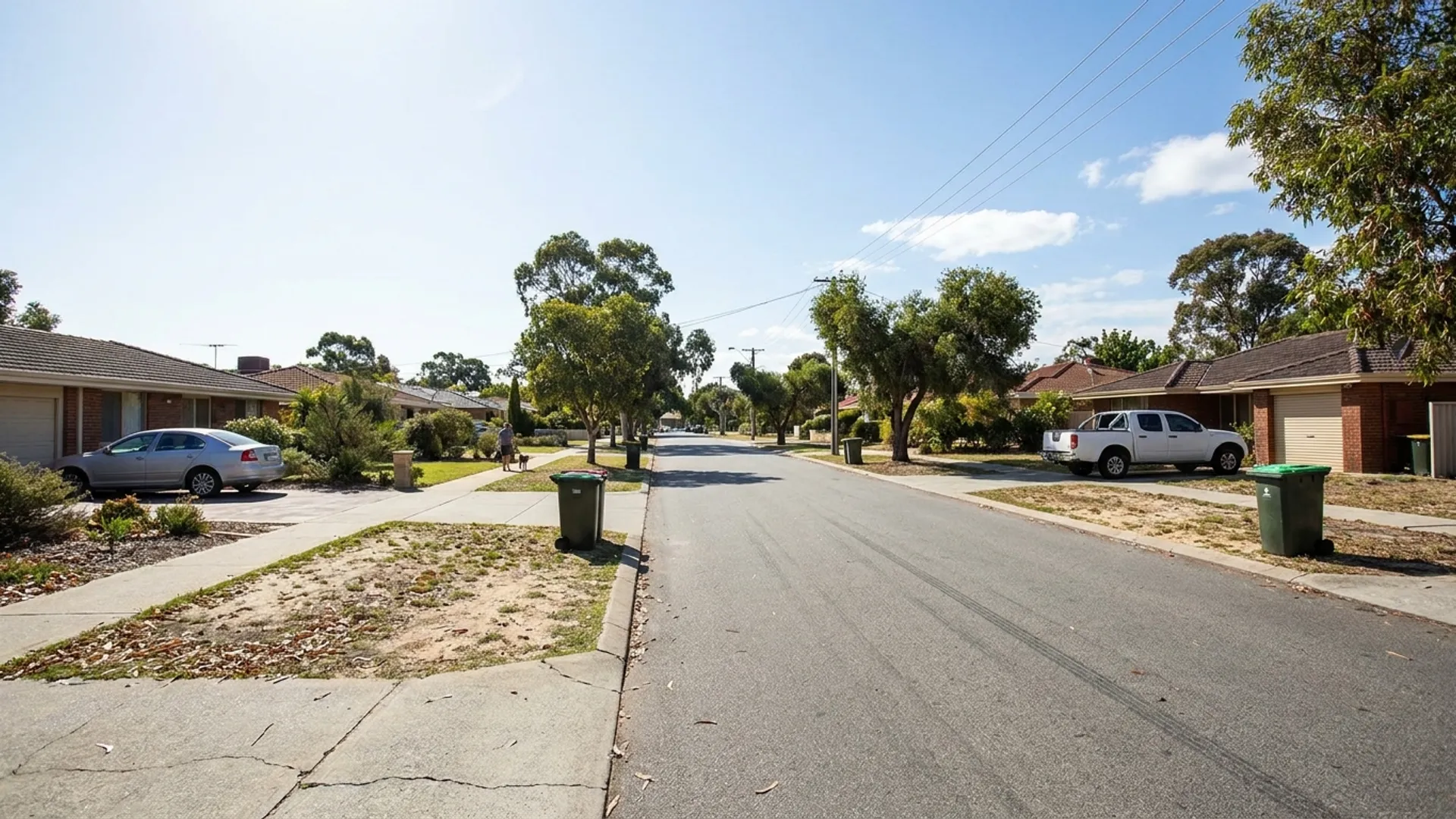
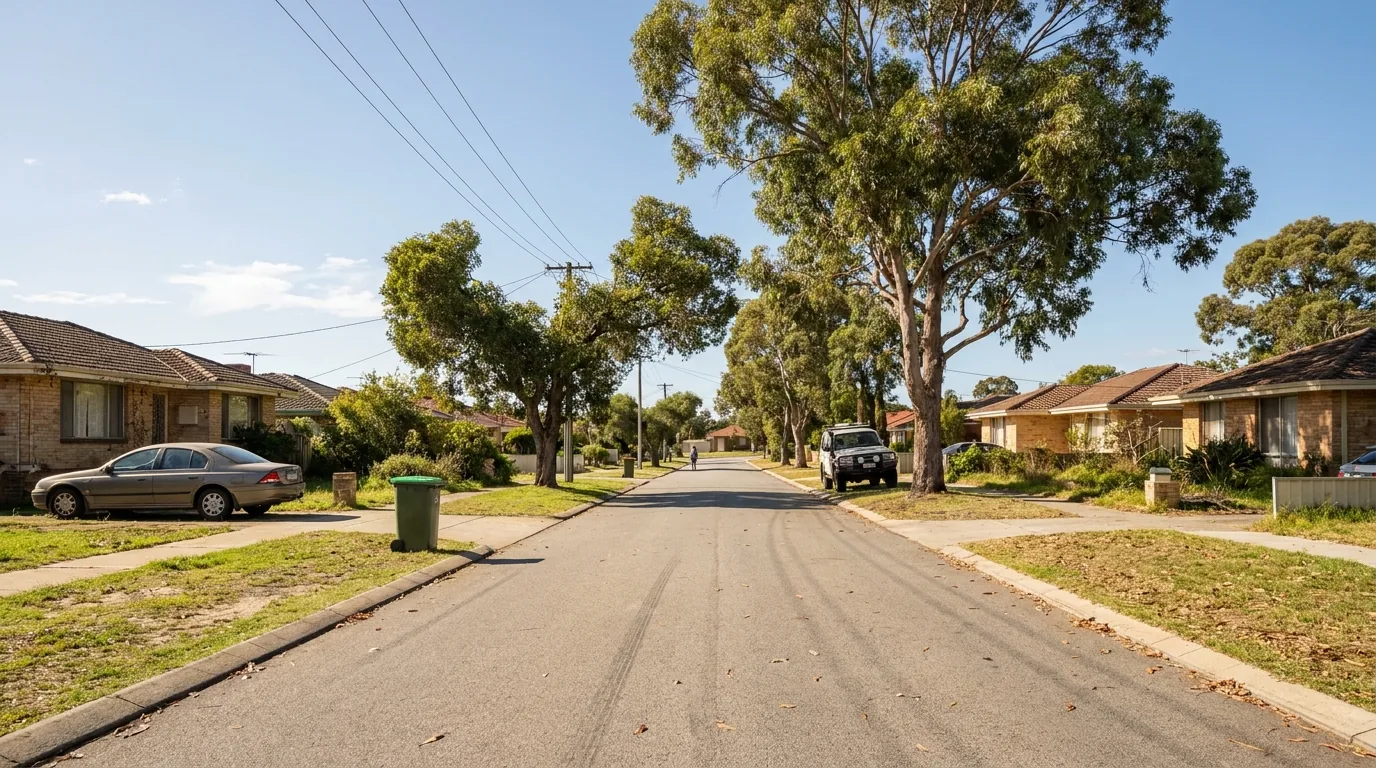
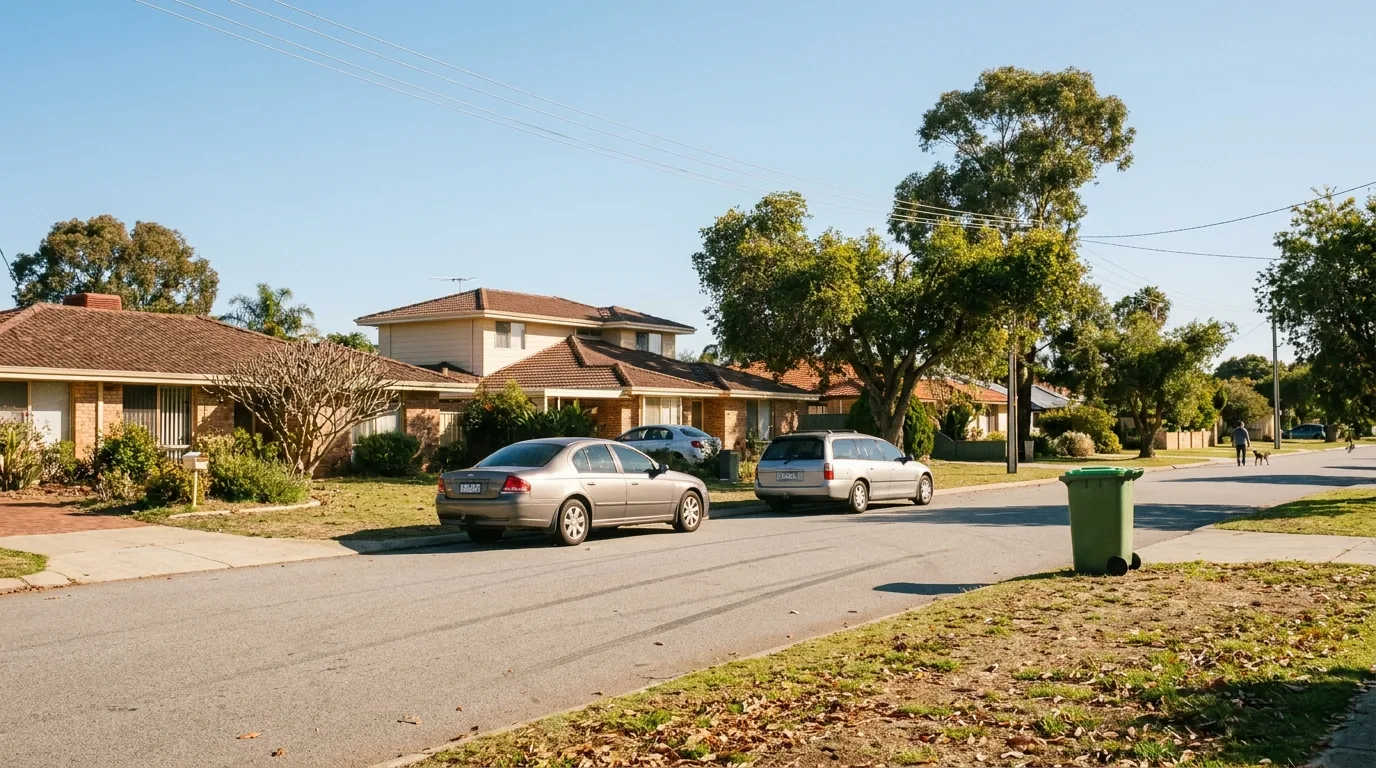
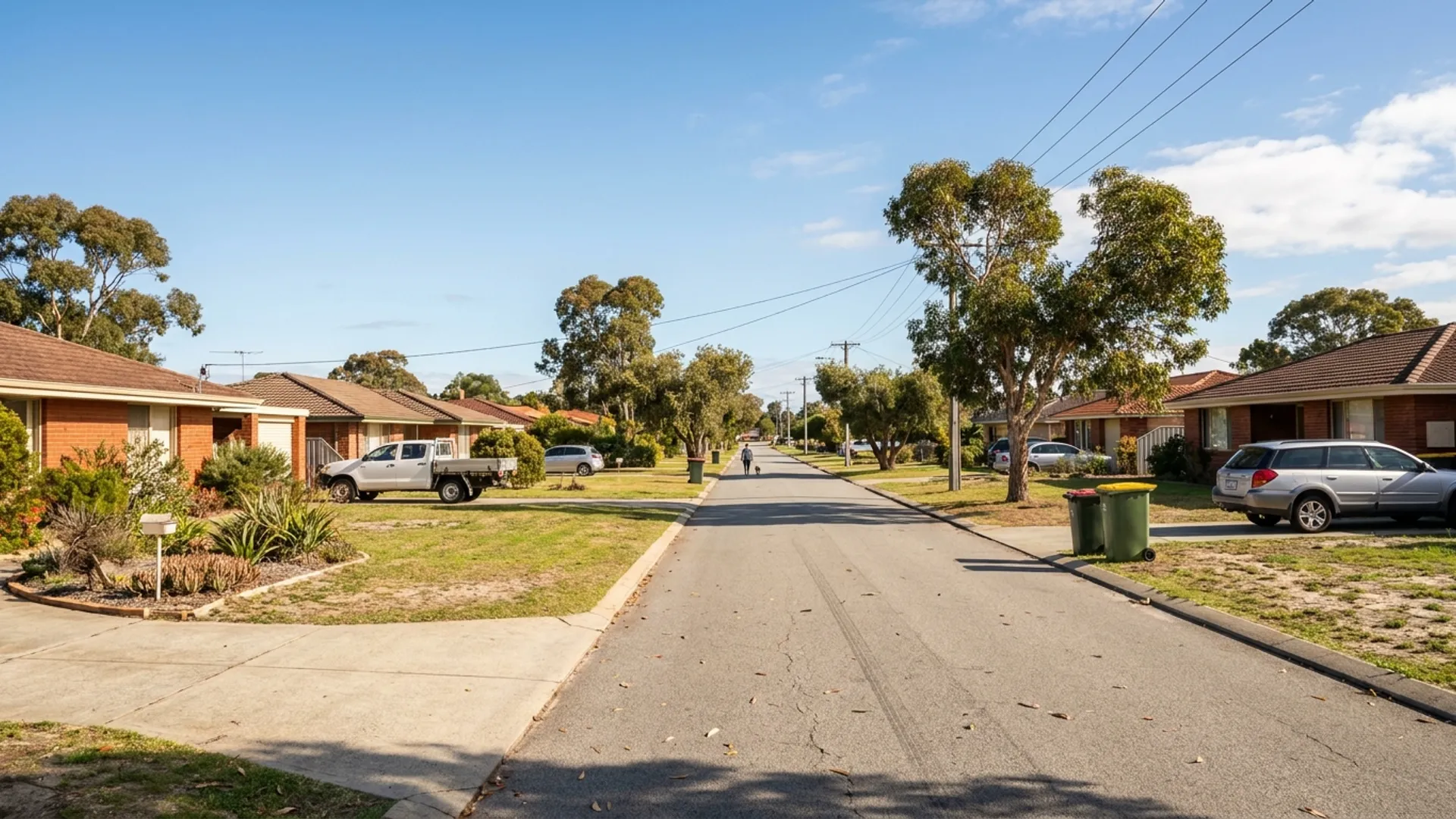
Parkwood is a compact residential suburb with remarkably consistent housing stock. Almost entirely 1970s and 1980s brick-and-tile construction on Bassendean Sand. This consistency means the defect patterns across the suburb are predictable and well-documented: concrete roof tiles approaching or past failure, wall tie corrosion at the 40-50 year threshold, fretting mortar reducing structural bond, and original building services reaching end of life. What distinguishes Parkwood from neighbouring suburbs with similar housing stock is the adjacent Whaleback Golf Course. A large area of irrigated turf that creates ideal habitat for subterranean termite colonies right next to residential properties.
The Bassendean Sand underlying Parkwood generally provides stable foundation conditions compared to the reactive Guildford Formation clay that affects suburbs further south and east. Sandy soils drain freely and don't exhibit the seasonal swell-shrink movement that creates severe structural cracking in clay suburbs. However, sandy soil is not without issues. Localised settlement can occur where original fill was poorly compacted, and the free-draining nature of the sand means termites can move easily through the substrate without encountering clay barriers that might slow their progress. The sand is both Parkwood's structural advantage and its pest management challenge.
Asbestos prevalence in Parkwood runs between 35% and 45% in unrenovated homes. The suburb sits squarely in the era of peak asbestos use in Australian residential construction, and Super Six fencing, asbestos-containing eaves, and wet-area linings are common findings during inspections. Buyers looking at unrenovated homes need to budget for potential remediation. Particularly if any renovation work is planned, since disturbing asbestos-containing materials triggers licensed removal requirements.
What We Look For in Parkwood Properties
Whaleback Golf Course Termite Risk
Whaleback Golf Course shares a direct boundary with Parkwood's eastern edge, and its regularly irrigated fairways and greens create one of the most favourable termite habitats in the south-east corridor. Irrigated turf maintains constant soil moisture. Exactly the conditions that Coptotermes acinaciformis colonies require to thrive. Unlike natural bushland, which dries out significantly during Perth summers, irrigated golf course turf keeps the soil moist year-round, supporting larger and more active colonies than natural vegetation alone. Properties on the streets directly adjacent to the golf course. Particularly along Whaleback Crescent and the eastern boundary. Face the highest risk, but the Bassendean Sand allows termites to forage well into the residential area. Our inspectors pay particular attention to the golf course boundary when assessing Parkwood properties, checking for active colony indicators using thermal imaging and moisture meters.
Concrete Roof Tile Deterioration
Parkwood's uniform housing age means the suburb is experiencing a simultaneous wave of concrete roof tile failure. Tiles installed in the 1970s and early 1980s are now 40-50 years old, well past the point where the factory glaze protects against moisture absorption. Once tiles begin absorbing water, they become heavier and more brittle, ridge cap pointing cracks open, and water enters the roof space. Causing ceiling stains, mould growth, and damage to the pine trusses below. The truss deflection caused by heavier water-laden tiles creates visible ceiling sag and cracking along ceiling-wall junctions. Because the housing stock is so uniform in age, this is happening across the suburb simultaneously rather than in isolated pockets. A Parkwood buyer should assume that any unreplaced concrete tile roof is a near-term major expense.
Wall Tie Corrosion & Fretting Mortar
The 1970s and 1980s construction in Parkwood used mild steel wall ties that are now reaching the end of their effective lifespan. Corrosion causes the ties to expand inside the mortar bed, creating horizontal cracking along the bed joints. A pattern distinct from the diagonal cracking caused by foundation movement. In Parkwood's cavity brick construction, corroded wall ties mean the outer brick leaf is no longer adequately tied to the inner wall structure. This is compounded by fretting mortar. The lime-rich mortar used in this era gradually deteriorates, crumbling when pressed and losing its bonding capacity. Together, these two age-related defects reduce the structural integrity of the masonry and represent a significant remediation cost if widespread across the property.
Original Building Services at End of Life
Parkwood homes in the 40-50 year age range have building services approaching or at failure point. Original galvanised plumbing is corroding internally, reducing water flow and eventually leaking. Often beneath the slab where it goes undetected until staining or damp appears. Single-phase electrical switchboards lack modern safety switches (RCDs) required by current standards. Hot water systems, evaporative air conditioning units, and gas appliances installed with the original home are all well past their design lifespan. These represent replacement costs that buyers need to budget for beyond the purchase price. A building inspection identifies which services are still functional and which are due for immediate or near-term replacement.
Precincts We Service
- Whaleback boundary (eastern Parkwood). Golf course adjacent, highest termite risk from irrigated turf habitat, thermal imaging priority zone
- Central Parkwood. Consistent 1970s-1980s brick-and-tile, concrete roof tile failure wave, wall tie corrosion at threshold age
- Parkwood south (Leach Highway side). Mature street trees providing additional termite harbourage, standard age-related defects
- Parkwood west (Riverton side). Potential soil transition near Canning Vale boundary, drainage assessment on larger lots
Timber Pest Inspections in Parkwood
Parkwood's termite risk is elevated primarily by the adjacent Whaleback Golf Course. Irrigated turf provides the constant soil moisture that sustains large, active Coptotermes colonies year-round. Unlike natural bushland, which dries out in summer and limits colony size. These colonies forage outward through the Bassendean Sand that underlies the suburb, and the free-draining nature of this sandy soil actually aids termite movement by providing easy passage for foraging tunnels. Mature street trees throughout Parkwood add additional harbourage points within the residential area, extending the risk zone well beyond the golf course boundary.
The 1970s and 1980s housing stock is particularly vulnerable. Pine roof trusses from this era have dried out over 40-50 years and are now significantly more palatable to termites. Subfloor framing in homes with raised floors provides additional targets, and wall cavities in cavity brick construction offer concealed pathways from the ground to the roof. A timber pest inspection using thermal imaging and moisture detection is essential for any pre-purchase in Parkwood. Standalone timber pest inspections are $250, or $178 when combined with a building inspection. The combined approach is recommended for all Parkwood properties given the dual age-related structural risks and the golf course termite pressure.
Pest Control in Parkwood
Parkwood's compact residential layout, mature gardens, and adjacent golf course create persistent pest pressure. Spiders establish extensively in the older brick homes. Redbacks in meter boxes, subfloor spaces, and garden sheds, black house spiders around window frames and eaves. Cockroaches exploit the aging plumbing systems common to 1970s-1980s construction, entering through deteriorated seals around drains and service penetrations. Rodents access roof voids through gaps in aging concrete roof tiles, nesting in ceiling insulation and contaminating stored items in garages.
The irrigated environment of Whaleback Golf Course supports higher mosquito and ant populations on the eastern boundary, and these extend into adjacent properties. Particularly during Perth's warmer months. Our residential pest control covers general pest treatments for ants, spiders, cockroaches, and rodents, as well as targeted termite inspections and treatment programs for properties facing the golf course or carrying elevated risk from mature tree harbourage. Pest control starts from $189.